
 Svenska
 Dansk
Dansk
 Suomi
Suomi
 Español
 Deutsch
 Français
 Italiano
 Nederlands
 Polskie
 Norsk
Norsk
Cart
Your cart is empty, but doesn't have to be..
Discount: 0.00 EUR
Digital Skipper |2/06, 2025

Explore the most advanced night vision technologies – from image intensification and ultra-low-light cameras to thermal imaging – that provide superior visibility in low light, fog and challenging marine conditions for safer navigation and increased safety.
Navigating at sea presents unique challenges: darkness, glare, water spray and fog can obscure important details. At night, artificial lights from cities impair natural night vision, making it harder to spot other ships and navigational aids. At sea, where ambient light is absent, it becomes even more difficult to see objects without illumination.
To meet these challenges, several night vision technologies have been developed. The most prominent are:
Each technology has its strengths and limitations, especially for boaters navigating unpredictable waters.
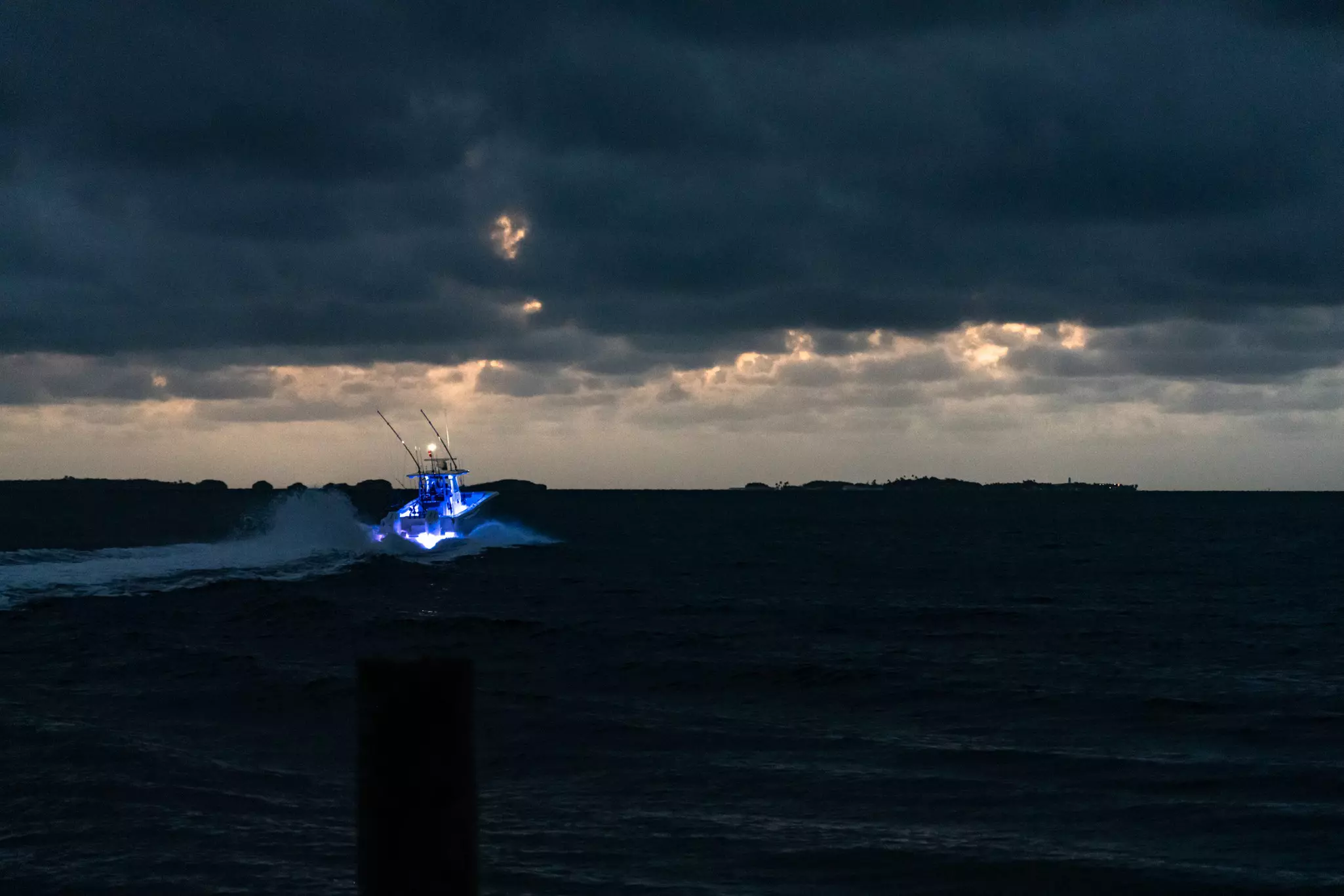
Image intensification was developed in the 1970s for military use and amplifies existing light, giving the characteristic green image.
Advantages:
Disadvantages:
Ultra-low-light technology was developed from CCTV and provides better images in near-dark conditions.
Example: FLIR M300C with 1080p HD video, color image, 30x optical zoom and gyro stabilization – built for marine environments.
Advantages:
Disadvantages:
FLIR thermal cameras operate completely independent of visible light. They detect infrared energy (heat) and convert it into an image.
Advantages:
Disadvantages:
Modern night vision technology gives boaters, fishermen and professionals crucial visibility in both daylight glare and night darkness. FLIR Marine is an industry leader with robust, high-performance solutions used worldwide.