Cart
Discount: 0.00 SEK
Digital Skipper |10/05, 2023
NMEA 2000 is a robust and reliable communication protocol that makes it possible for devices to exchange data as easily as possible. a boat or yacht. This technology has revolutionized the way we integrate various marine electronics and instruments on board. It has become the preferred protocol for many marine electronics manufacturers and has standardized how information is exchanged between devices. In this article, we provide an overview of NMEA 2000, its features and benefits, and how to set up and use it on; your boat.
NMEA 2000 stands for National Marine Electronics Association 2000. It all started when NMEA started develop a communication protocol in 1992 to replace the existing NMEA The 0183 standard, which only allowed one-way communication and was limited by its low data rate. The need for a new standard arose på due to the increasing complexity of marine electronics systems and the need for a more robust and reliable communication network.
The development of NMEA 2000 was a long and collaborative effort between various companies within the marine electronics industry. The goal was to create a high-speed, multi-drop communication network that could be used for all marine applications. The initial version of NMEA 2000 was based on The CAN protocol (Controller Area Network), widely used in the automotive industry.
The CAN protocol made it possible for multiple devices to communicate with each other over a single bus, which Facilitated the exchange of large amounts of data at high speeds. NMEA 2000 was designed to use a similar approach, but with additional features and functionality specific to the marine environment. This included the ability to transfer data over longer distances, support for multiple data types, and the ability to handle multiple data sources simultaneously.
Since its introduction, NMEA has 2000 has been widely adopted by marine electronics manufacturers and has become the preferred protocol for integrating various onboard devices. The benefits of the standard include improved reliability, faster data transfer rates and a more flexible and scalable network architecture.
NMEA 2000 also has; had a significant impact on the marine industry. It has made it easier for boat people to install and use sophisticated electronic systems, improving safety and comfort on board. At the same time, it has helped to reduce costs by enabling the use of off-the-shelf components and reducing the overall complexity of on-board systems.
The adoption of NMEA 2000 has also; led to the development of new and innovative marine electronics products. Manufacturers can now create products that are more reliable, easier to use and more feature-rich than ever before. This has helped drive innovation in the marine electronics industry and has led to the development of new technologies that help improve safety and comfort on board.
In summary, NMEA 2000 had a profound impact on the marine electronics industry. It has helped to establish a standardized communication protocol that has made it easier for boat people to integrate different devices on board. This has led to improved reliability, faster data transfer rates and a more flexible and scalable network architecture.
NMEA 2000 is a plug-and-play communication protocol that allows ;r it easy to integrate different devices on board. It provides a standardized way for devices to communicate with each other, such as; that you can easily connect a plotter, sonar, engine monitor and other devices to create a complete and integrated system on board. With NMEA 2000, you can easily manage and monitor your boat's systems, making it easier to navigate and use your vessel.
The key benefits of NMEA 2000 include its high data transfer rates, which allow devices to exchange large amounts of data quickly and reliably. This is especially useful for devices that require real-time data, such as GPS. The protocol also supports two-way communication, which is important for devices that require feedback or control, such as autopilots or trim planes. In addition, NMEA 2000 is a low-power protocol, which means that devices can be connected to the network without removing the boat's batteries.
There are several key components that make up a NMEA 2000 network. These include:
These devices are typically used to manage the network and include components such as gateways and hubs. Gateways are used to connect different networks, while hubs are used to connect multiple devices to each other. same network.
These devices collect different types of data, such as temperature, depth and speed, and ö acquires data over the network. Some common sensors and instruments include GPS receivers, echo sounders, and weather stations.
These devices receive data from the network and display it in a user-friendly format, for example on; a plotter or instrument display. Chartplotters are particularly useful for displaying navigational data, while instrument displays can be used to monitor the status of various onboard systems.By connect these various components with NMEA 2000, you can create a powerful and integrated onboard system that gives you the information you needed to navigate and operate your boat safely and efficiently.
Setting up a NMEA 2000 network is an important step for all boaters who want to integrate their electronics on board. This modern networking standard allows devices from different manufacturers to communicate with each other more easily, providing a more comprehensive and integrated boating experience. In this guide, we go through the hardware and cabling required, the network topology and design, and some installation tips and best practices.
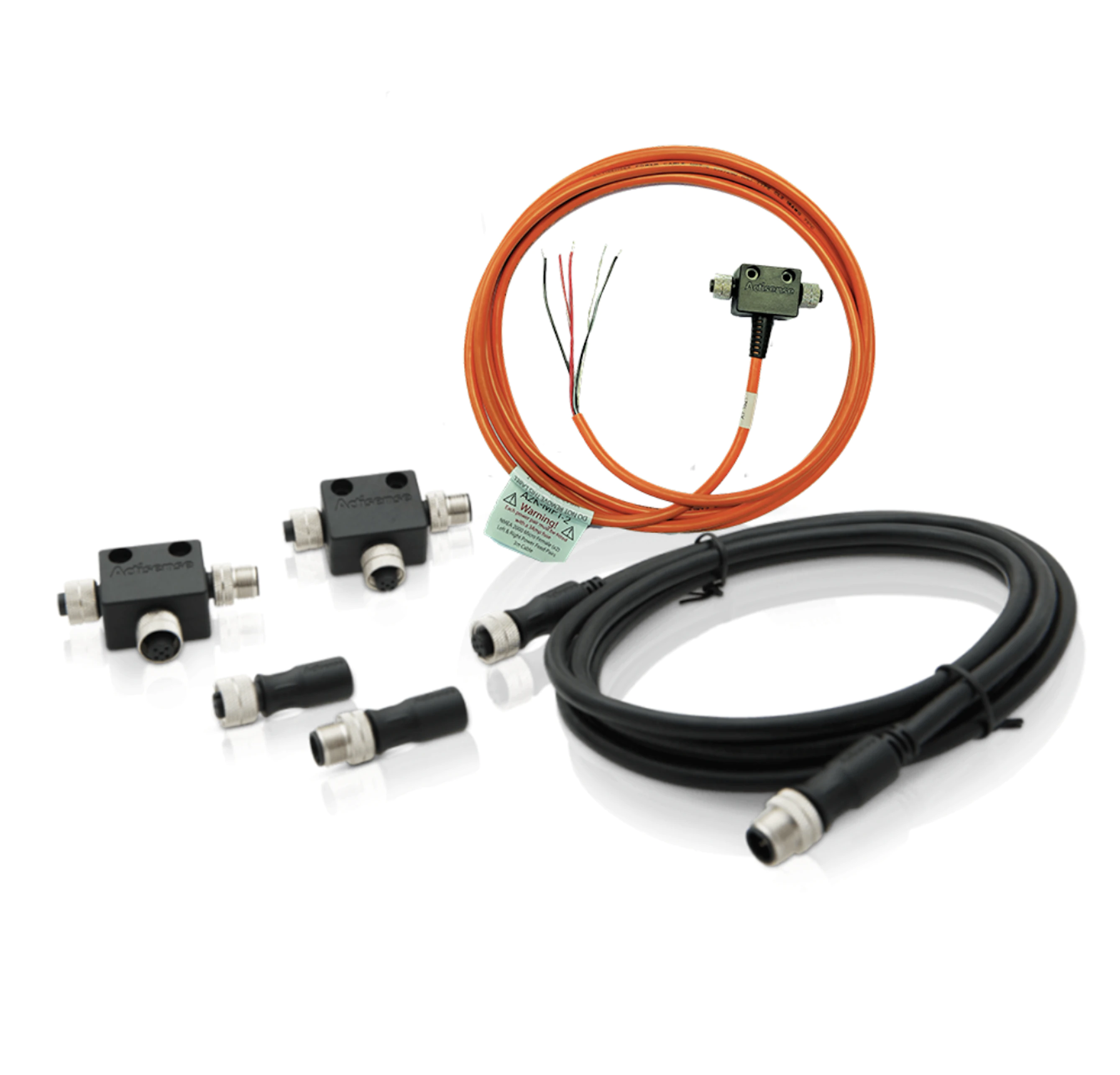
Before you start configuring your NMEA 2000 network, you need to collect some important hardware and cabling. The key components include:
Installing a NMEA 2000 network can be challenging, but there are several tips and best practices you can follow to create a successful installation:
Following these guidelines and best practices can you create a NMEA 2000 network that provides such communication between your onboard electronics. With a well-designed and installed network, you can enjoy a more comprehensive and integrated boating experience.
NMEA 2000 is compatible with a wide range of marine electronics and instruments, including:
NMEA 2000 can alsoå is used to monitor and control various engine and fuel systems, such as:
In addition to electronics and engine systems, NMEA 2000 is also compatible with various navigation and communication devices, such as:< /p>
NMEA 2000 is an important tool for all boaters who want to integrate various marine electronics and instruments. It provides a standardized way for devices to communicate with each other, enabling the creation of comprehensive and integrated onboard systems. Whether you are an experienced sailor or a new boater, the importance of NMEA 2000 is essential to staying safe and driving. make the most of your onboard electronics and systems.
For more on building and testing your NMEA 2000 network, click här.