
 Svenska
 Dansk
Dansk
 Suomi
Suomi
 Español
 Deutsch
 Français
 Italiano
 Nederlands
 Polskie
 Norsk
Norsk
Cart
Your cart is empty, but doesn't have to be..
Discount: 0.00 EUR
Digital Skipper |29/05, 2025

Oil spills in water are a major environmental challenge that requires a rapid and effective response. Here we explain why LWIR thermal imaging technology is a revolutionary solution for detecting and managing oil spills.
Oil spills threaten marine ecosystems, coastal economies and global trade routes. Despite strict safety measures, accidents still occur – due to accidents, natural disasters or illegal dumping.
Rapid response is crucial to minimizing damage, but one of the biggest challenges is detecting and visualizing spills in difficult light and wave conditions . This is where thermal imaging technology makes a difference.
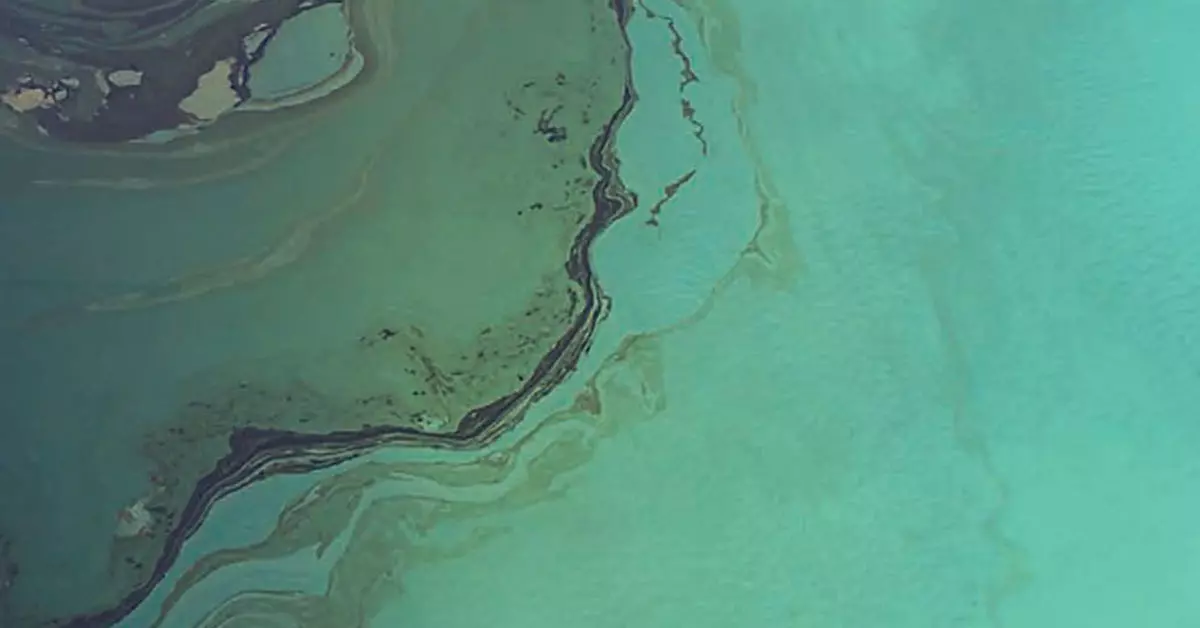
The longer the oil remains in the water, the more difficult the cleanup will be. Continuous efforts are crucial to:
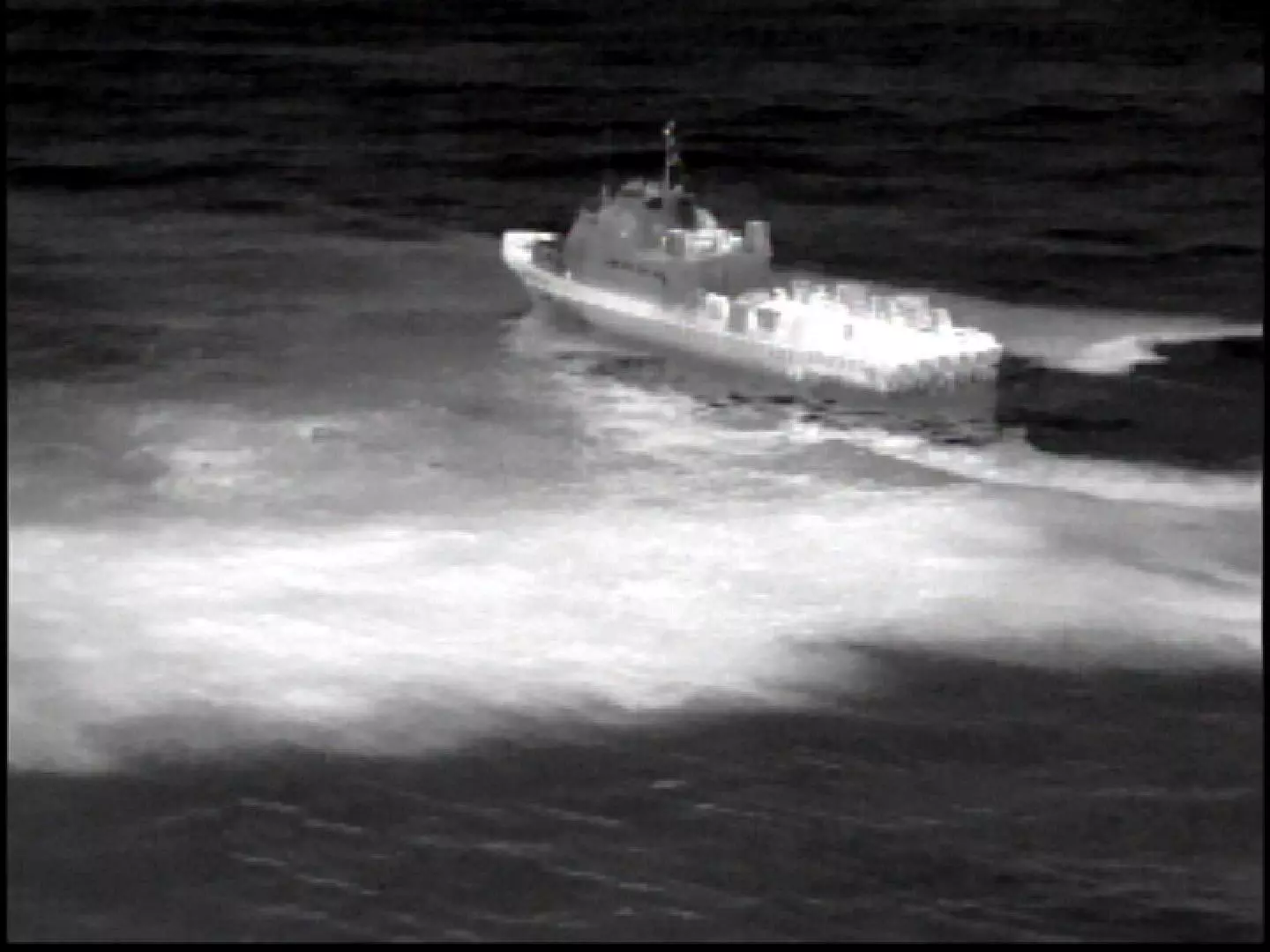
During the 2010 Deepwater Horizon accident , FLIR thermal cameras enabled 24/7 operation – even in total darkness.
Traditional visible light methods work poorly in the dark and are disturbed by reflections. LWIR (Longwave Infrared) solves these problems:
FLIR has tested LWIR technology at Ohmsett , North America's largest oil spill testing facility, with superior results.
FLIR offers advanced systems used on thousands of rescue vessels worldwide:
These solutions provide real-time imagery for effective spill detection and containment.
FLIR is leading the development of thermal imaging technology for environmental protection. Through research, advanced products and real-time detection, FLIR ensures that oil spills are detected faster, cleaned up more effectively and do not cause irreparable damage.
Protecting the oceans is not just a technical challenge – it is a global responsibility. FLIR is at the forefront of that task.