
 Svenska
 Dansk
Dansk
 Suomi
Suomi
 Español
 Deutsch
 Français
 Italiano
 Nederlands
 Polskie
 Norsk
Norsk
Cart
Your cart is empty, but doesn't have to be..
Discount: 0.00 EUR
Digital Skipper |27/05, 2025

Maritime safety and conservation authorities are facing more missions and challenges than ever before. To meet these demands, smarter technology solutions are needed that make work more efficient and safer – around the clock.
Missions span a wide spectrum: maritime search and rescue (SAR), port security, law enforcement, HAZMAT operations, natural resource control, anti-poaching, habitat monitoring and much more. At the same time, budgets have not increased at the same rate as the workload.
One of the most cost-effective strategies is to maximize the benefit of existing technology. It’s not just about having the right equipment – it’s about integrating it to create a system where the whole is greater than the sum of its parts.
Key components for 24/7 operation:
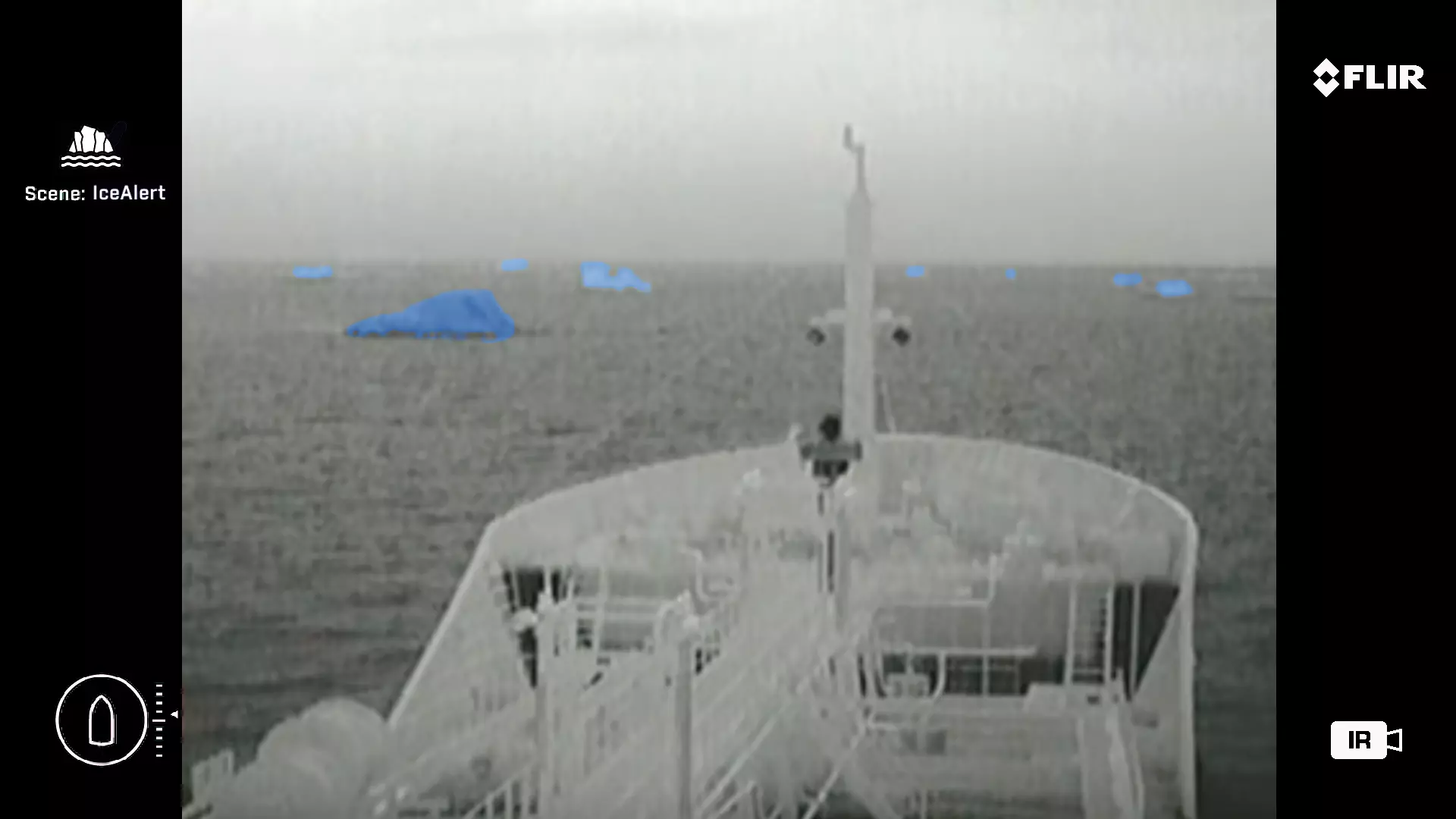
The maritime environment is harsh and changing. Thermal imaging technology offers a unique advantage: everything emits heat, even ice. As long as there is the slightest temperature difference between an object and its background, thermal cameras can detect it.
What thermal cameras see:
“Thermal imaging technology gives us an extra dimension – we see the invisible and can act proactively,” said Steven Beltran, Illinois Conservation Police.
A standalone thermal camera is no longer enough. For real effect, it must be integrated with other onboard electronics.
Example of integration:
“A fully integrated thermal imaging solution is essential for effective patrolling,” Beltran continues.
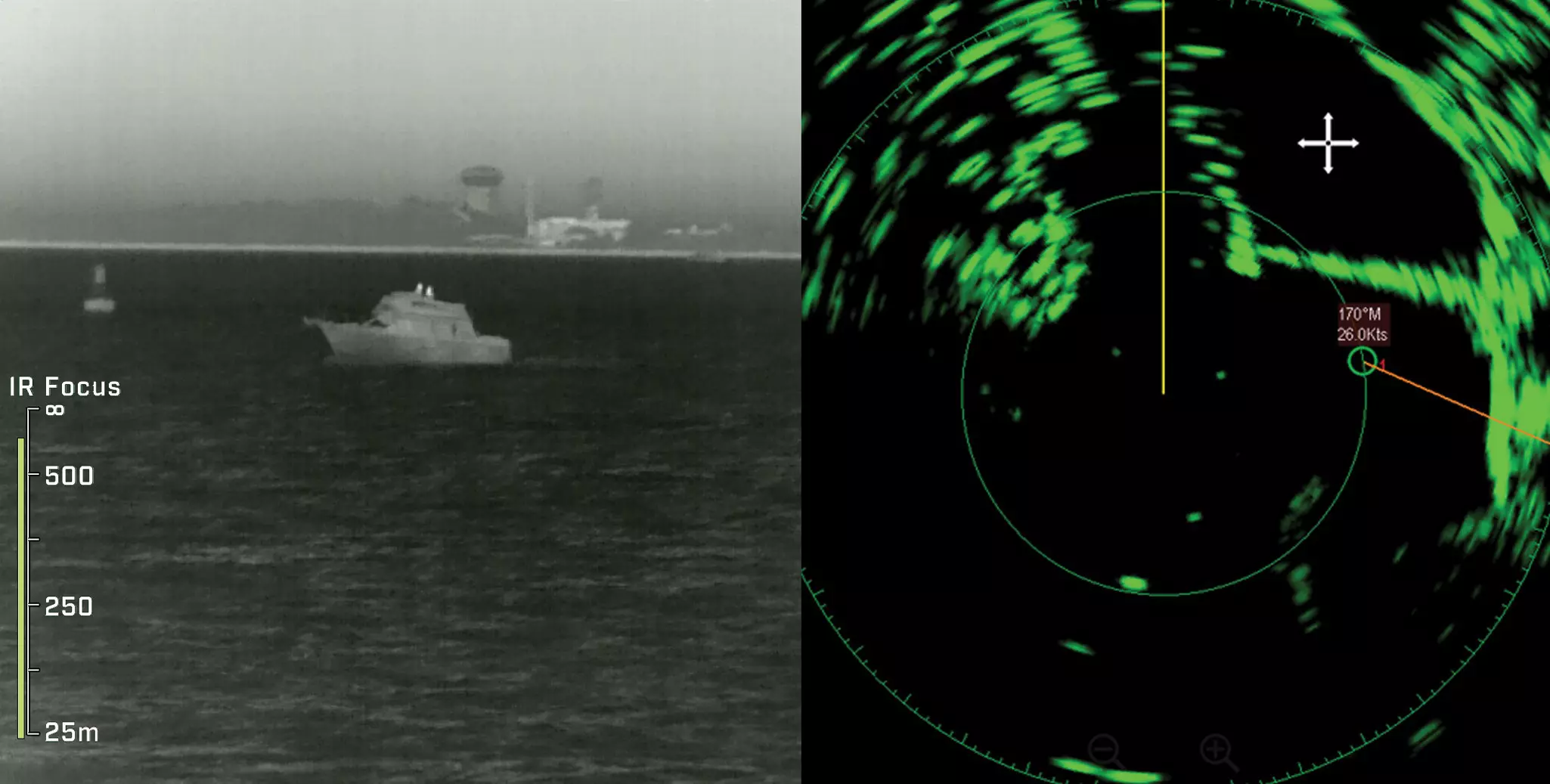
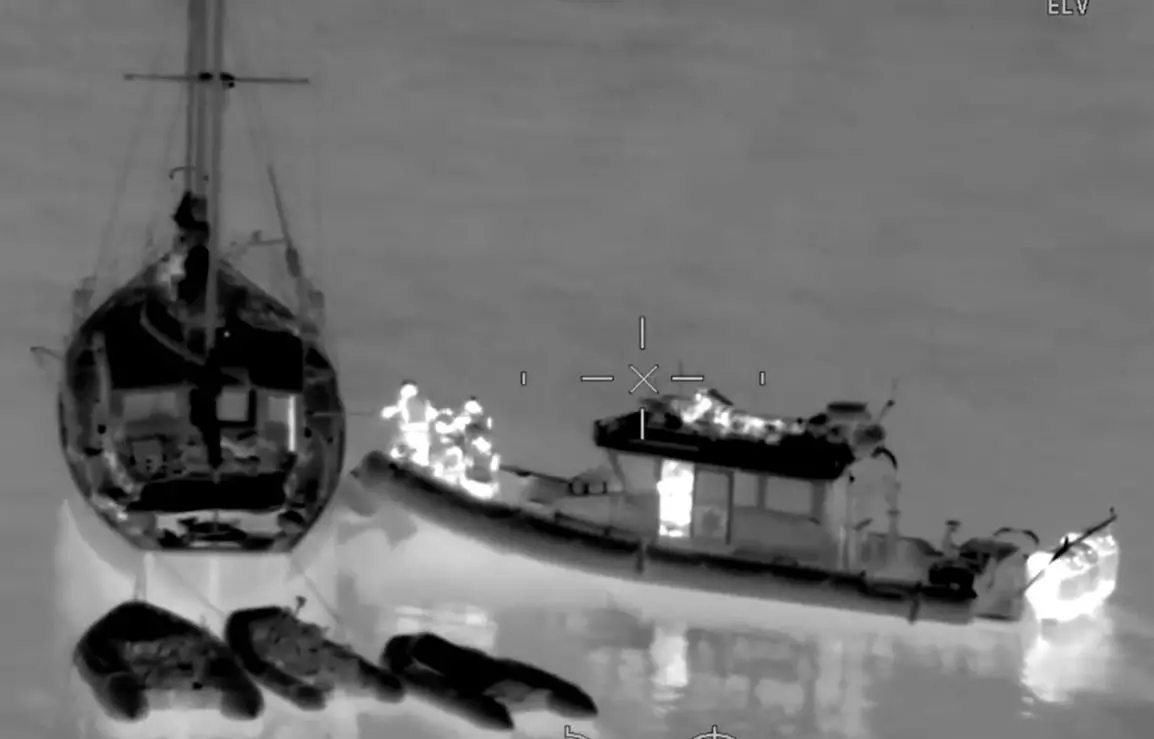
Thermal cameras do what the human eye cannot:
Applications:
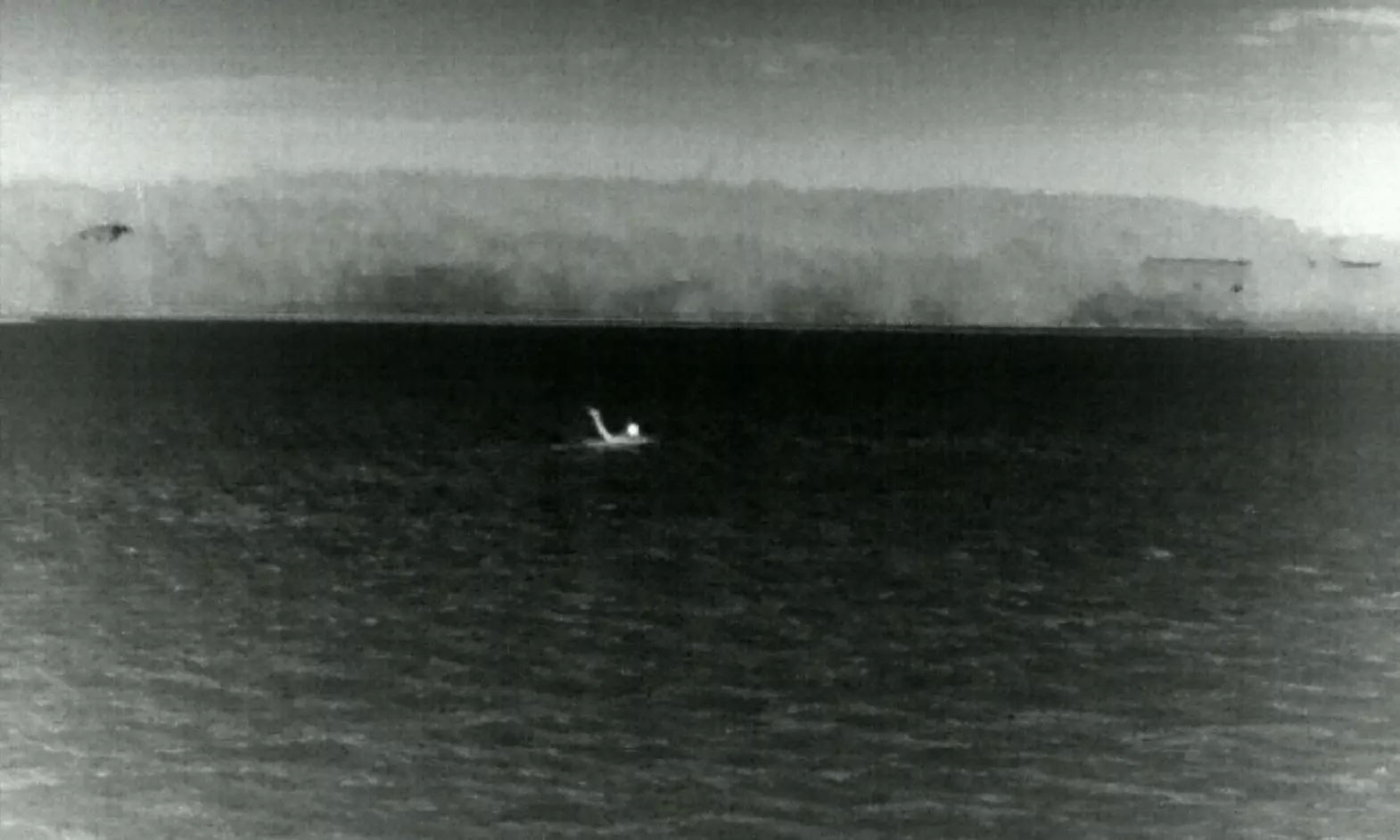
In man-overboard scenarios, a person's head is visible as a clear heat signature against cold water – even in total darkness. Thermal cameras provide:
“A single SAR operation can justify the cost of a thermal camera – in saved man hours and saved lives,” says Beltran.
Thermal cameras are no longer an add-on – they are a necessity for maritime security. They increase efficiency, improve safety and enable you to do more with less.