Svenska
 Dansk
Dansk
 Suomi
Suomi
 Español
 Deutsch
 Français
 Italiano
 Nederlands
 Polskie
 Norsk
Norsk
Cart
Your cart is empty, but doesn't have to be..
Discount: 0.00 SEK
Digital Skipper |12/06, 2025

We go through the different types of stabilization found in FLIR's marine cameras, how the technology works and how it improves image quality, reduces vibrations and provides a safer and more efficient navigation experience even in rough seas.
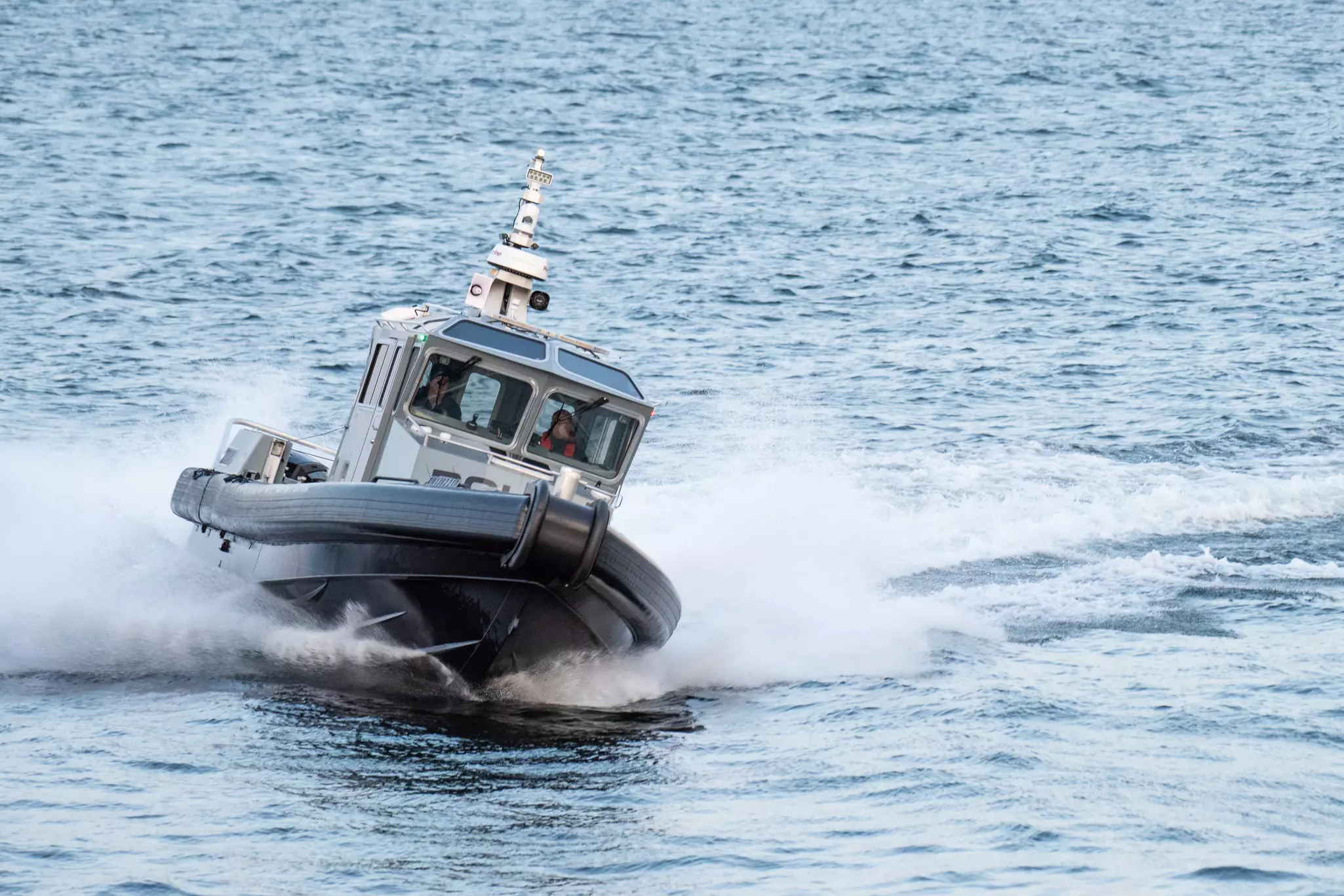
Anyone who has spent time at sea knows that no boat sits perfectly still. Wind, waves and swell cause constant movement, making it difficult to maintain a clear image with a camera system. Without stabilization, the camera image can jump and shake, reducing visibility and accuracy.
FLIR's M300, M400 and M500 series are equipped with a sophisticated gimbal system with 2-axis mechanical gyro stabilization as standard.
Using solid-state rate gyro sensors , the cameras detect the slightest movement and automatically adjust pan and tilt mechanisms via precision servos. The result? A steady image even in harsh weather.
Vertical stabilization corrects for the boat's pitch movements and keeps the horizon level as the boat moves up and down the waves. This is especially important when using optical and digital zoom , where small movements are greatly magnified.
When needed, for example to monitor activity on deck, vertical stabilization can be turned off to allow the camera to follow the natural movements of the boat.
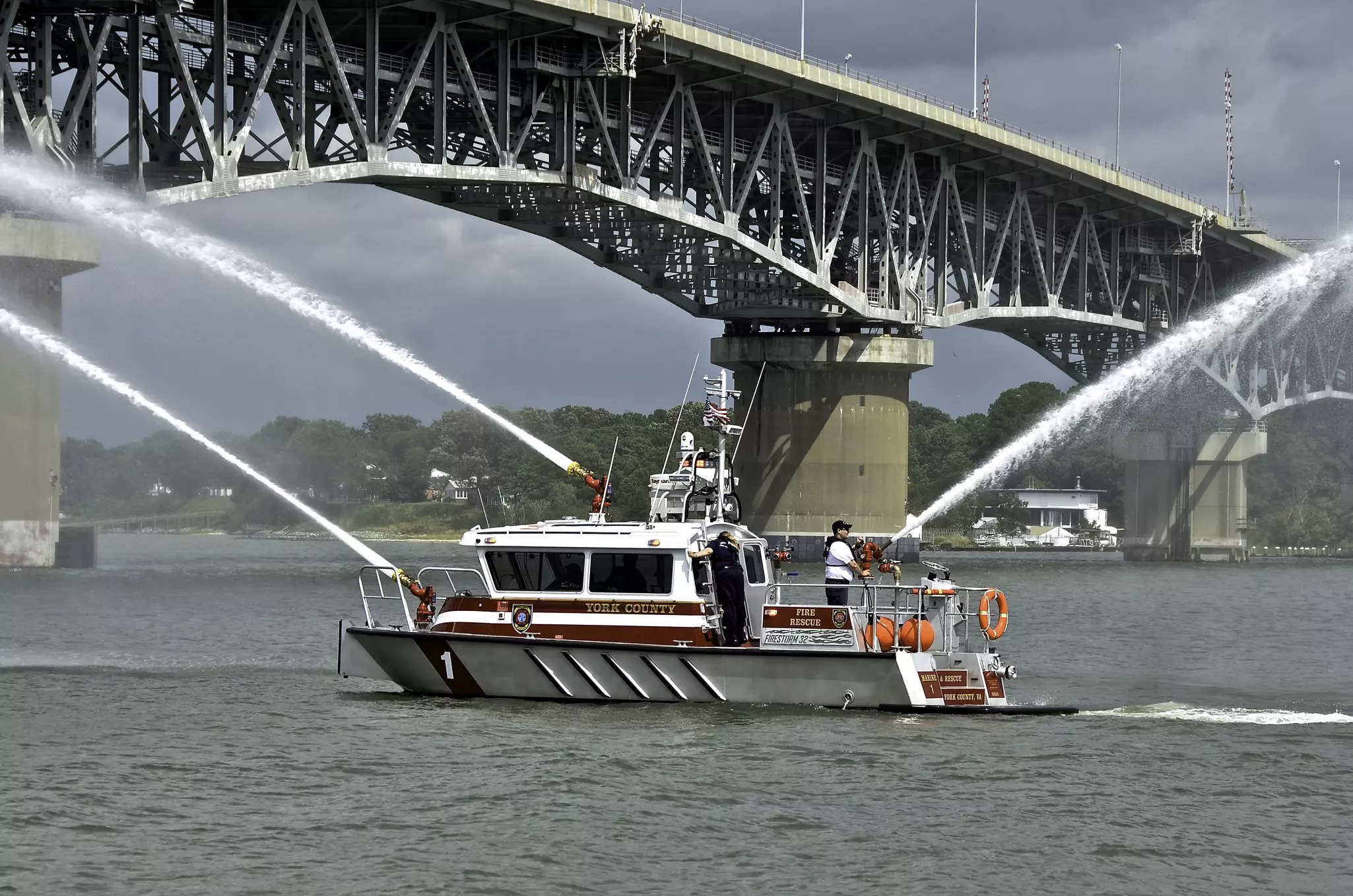
Horizontal stabilization keeps the camera pointed at a target even when the boat changes course. Perfect for emergency services and firefighting , where the camera must remain locked on a fire scene while the boat maneuvers.
Activate the feature, point the camera at the target – the system does the rest. When you leave the location, turn off the stabilization and return the camera to the forward-facing position.
The FLIR M232 is popular with recreational boaters due to its compact design. However, it lacks built-in gyro stabilization, which can be a challenge in rough seas.
The solution? Raymarine Axiom plotters combined with the AR200 Augmented Reality module . The AR200 uses gyro and GNSS to correct pitch, roll and yaw in real time, providing significantly better image stability.
In addition, the camera image can be supplemented with AR data such as AIS targets, navigation aids and waypoints for increased situational awareness.
Stabilization is a key feature for sharp and clear images in all sea conditions. Whether you are operating a high-performance boat, working in emergency services or commercial shipping, stabilization is essential for safe and efficient navigation.